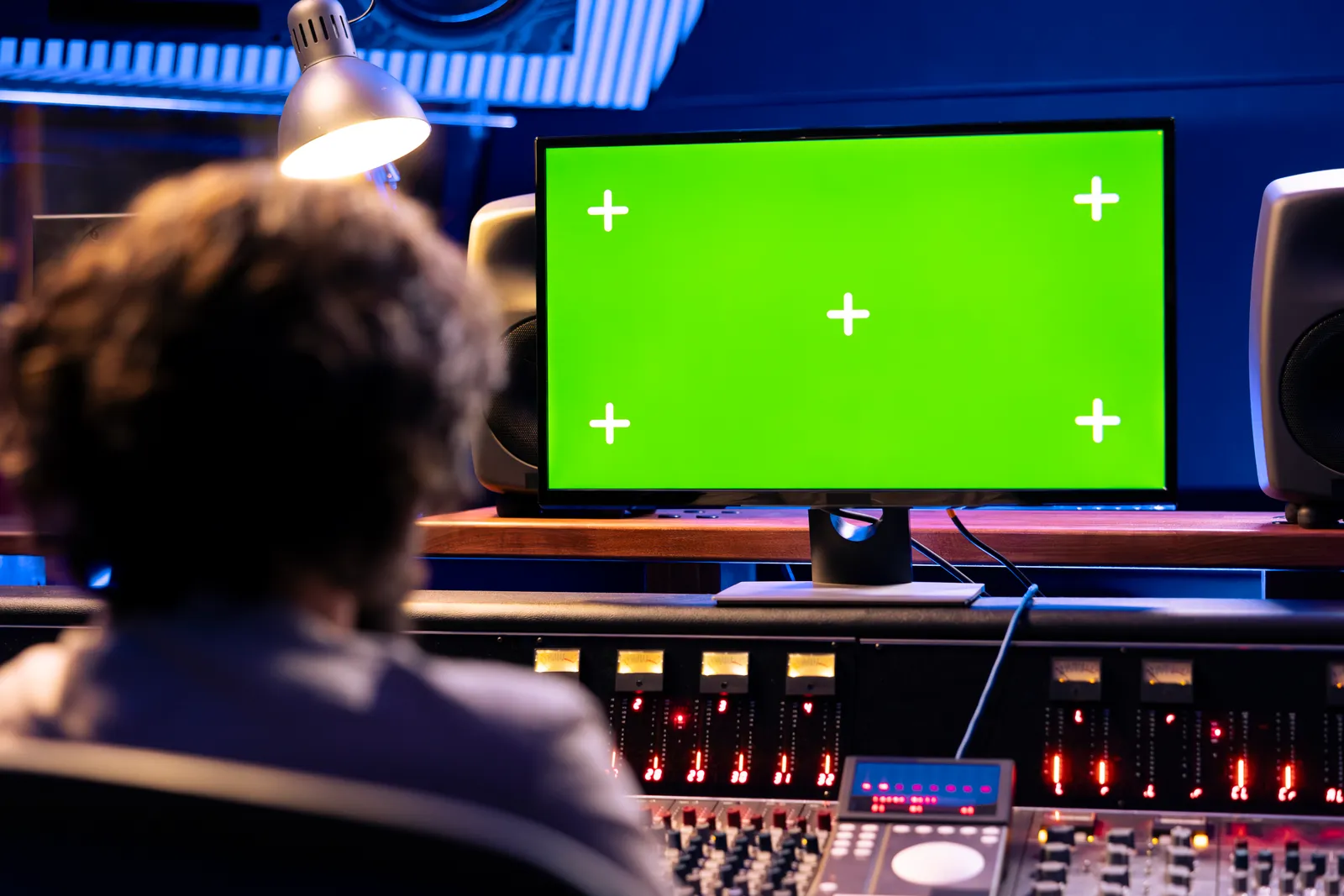
Solid State Logic Mixing Consoles: The SSL Sound Explained
If you've ever wondered why certain records from the 1980s and 1990s sound the way they do - that wide, punchy, glued-together quality - there's a good chance a Solid State Logic mixing console had something to do with it. The SSL desk became the defining tool of a generation of engineers, and its influence stretches across every genre you can name.
TL;DR
- SSL (Solid State Logic) built the consoles that defined the sound of modern pop and rock recording
- The SSL 4000 series - particularly the 4000 E and 4000 G - set the standard through the 1980s
- The SSL bus compressor is one of the most imitated processors in audio history
- Today, producers chase the SSL sound through hardware recalls, plugin emulations, and tactile workflow tools
- Physical SSL consoles cost far more than most studios can justify; plugin bundles and control surfaces give you much of the experience at a fraction of the cost
What Is a Solid State Logic Mixing Console?
Solid State Logic is a British audio equipment manufacturer founded in 1969 in Begbroke, Oxfordshire. The company made its name building recording consoles for professional studios - massive, feature-packed desks that integrated automation, dynamics processing, and signal routing into a single coherent workflow.
What sets a Solid State Logic mixing console apart from its contemporaries is the total recall system, introduced with the 4000 series, which let engineers save every parameter of a mix and restore it exactly, session after session. Before recall, resetting a large-format console from a half-remembered handwritten note was a genuine problem. SSL solved that.
The other defining feature is the built-in bus compression. Every channel on an SSL 4000 G includes a dedicated compressor/expander, and the master section contains the now-legendary G-Series Bus Compressor, which has been used to "glue" mixes on thousands of major releases. It's the reason that distinctive punchy quality appears across so much recorded music from that era.
The SSL 4000 Console: Where the Legend Began
The SSL 4000 E was introduced in 1979 and quickly found its way into top-tier studios in London, New York, and Los Angeles. Its EQ section - designed with a different frequency curve than competitors - gave engineers a tool that translated well to the playback systems of the era. Consoles like this one are covered in detail in Sound On Sound's console archive, which tracks the history of recording technology with real depth.
The 4000 G followed and introduced the G-Series Bus Compressor to the master bus, cementing SSL's position as the industry standard. Studios like The Hit Factory in New York and Metropolis Studios in London built their reputations in part around their SSL desks.
What made the ssl 4000 console genuinely different from everything else available at the time:
| Feature | SSL 4000 G | Competitors of the Era |
|---|---|---|
| Total recall automation | Yes | Mostly absent or primitive |
| Integrated bus compression | Yes (G-Series VCA) | Rare |
| Channel dynamics per strip | Yes | Limited |
| Large-format channel count | Up to 96 channels | Varies |
| DAW integration | Later via timecode | None initially |
The 4000 E and G models sold to hundreds of studios worldwide during their production run. Today, vintage units in working condition command significant prices on the used market - when they're available at all - because of their role in studio lore and their distinct sonic character.
SSL 9000 Series and Modern Consoles
SSL didn't stop at the 4000. The 9000 series arrived in the 1990s as a high-end evolution: expanded routing, improved automation, and refined sonic transparency. The 9000 was designed for large-format recording and mixing where signal clarity took priority over any particular coloration.
The company later introduced the Duality, built for hybrid analog/digital workflows, and the AWS (Analogue Workstation System), which integrated tightly with DAWs through control surface functionality. You can see the current SSL product lineup - including specs on their modern consoles - on Solid State Logic's official site.
SSL has also expanded into smaller-format hardware in recent years, including the Big Six - a compact mixer that brings SSL-style summing and bus compression to a format that fits on a home studio desk. It's part of a broader shift in the industry toward making the SSL experience accessible without requiring a large-format installation. For more on how traditional large-format consoles fit into modern studios, see our piece on recording studio mixing consoles.
The SSL Sound: What It Actually Is
The phrase "SSL sound" gets used loosely. Let's unpack what it actually refers to.
The ssl console sound comes from several compounding factors.
The bus compressor is the most cited element. The G-Series Bus Compressor uses a VCA gain reduction circuit with specific attack and release characteristics that cause transients to punch through while sustain elements get compressed subtly. The result, when dialed in correctly, is a mix that sounds cohesive - what engineers call "glued."
The preamps and EQ contribute as well. The 4000 E's EQ had a particular curve that worked well for the monitoring systems and playback formats of its era. Engineers describe it as assertive - cuts and boosts that translate clearly across playback systems.
The transformer coloration in the signal path adds subtle harmonic content. It's not as pronounced as the coloration in a Neve mixing console (more on that below), but it's audible in careful comparison testing.
The workflow itself matters more than people admit. When engineers could recall sessions instantly, they mixed differently - more experimentally, willing to try something radical because resetting was no longer a catastrophic time commitment. That freedom shows up in the records made on SSL desks.
Neve vs. SSL: Two Schools of Console Sound
If SSL represents precision and punch, a neve mixing console represents warmth and color. These two British manufacturers dominated professional recording through the 1970s and 1980s and created two distinct sonic philosophies that still influence how engineers talk about tone.
| Characteristic | SSL 4000 | Neve 8078 |
|---|---|---|
| Primary character | Punchy, clear, commercial | Warm, transformer-colored |
| Bus compression | G-Series VCA comp (master bus) | Not standard |
| EQ character | Fast, assertive | Smooth, musical |
| Typical use | Pop, rock, hip-hop, commercial | Vintage rock, jazz, soul |
| Modern emulations | UAD, Waves, SSL Native | UAD, Slate Digital, Softube |
Neither is objectively better. Different engineers reach for different tools depending on what a project needs. Many professional studios have owned both at different points in their history - and many mix engineers layer Neve-style channel strip plugins with SSL-style bus processing for a hybrid result.
For a deeper look at how analog consoles fit into the bigger picture, see our guide on vintage analog mixing consoles.
Chasing the SSL Sound in the Box
Most producers today don't have access to a physical Solid State Logic mixing console. That's fine. The SSL sound is well-documented in plugin form, and the workflow concepts have been absorbed into standard DAW practices.
Plugin emulations of SSL hardware include offerings from Universal Audio (UAD SSL 4000 E and G collections), Waves (SSL Channel and Bus Compressor plugins), and SSL itself through its SSL Native Plugins bundle. These have been used on major releases as drop-in replacements for hardware processing. Sweetwater's plugin section is a useful place to compare current options across these bundles.
Summing in the box can approximate the console's contribution through careful gain staging and parallel processing. The key is understanding what the hardware actually did - which is why studying the analog mixing history of the SSL desk pays off even if you'll never touch the hardware.
Control surface workflow is another dimension entirely. Part of what made SSL desks productive was the physical interaction - reaching for a fader, adjusting an EQ, feeling the layout of a large-format mix in your hands. That's harder to replicate with a mouse.
This is where hardware control surfaces come in. TouchDaw is an ultra-wide (38" x 10") touch screen controller that lays flat on your desk, turning your DAW's mixer into a hands-on environment. At $50-190, it works with Mac and Windows via USB-C and requires no iLok or complex software install. It won't give you the analog signal path of an SSL 4000, but it restores the tactile, reach-and-grab workflow that makes console mixing feel natural. For more on control surface options, see our DAW control surface guide.
Who Actually Needs a Physical SSL Console?
If you're asking whether to buy a physical Solid State Logic mixing console, the answer is almost certainly "no" for most people - not because they're not worth it, but because the economics rarely make sense outside of major commercial facilities.
A working vintage SSL 4000 in good condition requires:
- Significant capital investment (check specialist dealers for current market prices)
- Dedicated studio space (large-format consoles are substantial pieces of equipment)
- Ongoing maintenance from a qualified electronics technician
- Trained staff who know the workflow deeply
For professional studios that book major label sessions daily, the investment can pay off through session rates and reputation. For everyone else - from home studio owners to mid-tier commercial rooms - the combination of plugin emulations, summing boxes, and control surfaces achieves comparable results at a fraction of the operational cost.
The value in understanding the ssl desk workflow is context, not prescription. Knowing why SSL's bus compressor was designed the way it was helps you make better decisions with the plugin version. Knowing how the 4000 E EQ curve worked helps you understand what you're hearing in classic recordings - and why modern producers still reach for SSL emulations decades later.
Pro Tip: If you want to hear what the SSL bus compressor actually does, try bypassing your mix bus compressor on a finished mix and listening for what changes. Most engineers describe a loss of "glue" and front-to-back depth. That difference is what the hardware was designed to create - and it's the same thing the plugin emulations aim to replicate. Start with a 4:1 ratio, medium attack and release, and a few dB of gain reduction, then adjust from there.
The SSL Legacy in Modern Production
SSL's influence isn't limited to its hardware. The company helped define what professional mixing tools should do - total recall, integrated dynamics, consistent signal path - and those expectations shaped every DAW and digital console released since.
The SSL console workflow, where engineers work across a large surface reaching for physical faders and adjusting EQ while listening, was so productive for so long that DAW developers designed their mixer views to mimic it. The channel strip, the bus, the master fader: all of these concepts came from large-format hardware consoles.
Today's producers who want the SSL experience without the hardware have more options than ever. Plugin bundles capture the processing. DAW mixer views approximate the layout. And hardware control surfaces - from affordable options like TouchDaw to professional units - restore the physical interaction that makes the workflow feel intuitive rather than mechanical.
Understanding what a Solid State Logic mixing console actually does, and why it shaped the sound of modern recorded music, isn't about nostalgia. It's about making informed decisions with the tools you already have. See our analog vs digital mixing guide for more on how these two worlds continue to inform each other.
The Solid State Logic mixing console shaped how we understand professional audio production. Whether you're studying the analog chain for historical context, dialing in SSL plugins, or building a control surface workflow that gives you the hands-on feel of a real desk, the foundation SSL laid is still the reference point.